

So what has led me away from writing here of late? Why am I not posting fanfic chapters as regularly? Well, I got a 3D printer and am now 3D printing! There’s more to it than that, including two tough funerals in 2025, but basically, I’ve been distracted.
What is 3D Printing?
I’ve had a lot of folks assure me they could not possibly understand 3D printing. I beg to differ. I’ve made up some analogies, or borrowed them, to explain. Hopefully, they help. If not, I’m including some links to videos on the subject.
Let’s say you understand weaving. I do not, so forgive my terminology here, but let’s start with weaving. You have some thread. Using a particular technique, you build this thread and others up from a single thread (a line) into a whole piece of cloth (not quite a plane, but let’s call it a plane). You’ve (kind of) gone from 1D to 2D, which is how we think about it, but as a thread is not truly 1D and a cloth is not truly 2D, you have actually made a 3D “print” of sorts by building layers.

Think about cake layers. You have one cake layer. You spread some icing or filling on it, then you can stack another cake layer on top, increasing the overall height. You have 3D “printed” a multi-layer cake.
You can do the same thing with cookie icing. You add a layer of icing, let it dry, and then add more to create your design. You’ve created it in layers, just like a 3D printed object.

Do not actually do this with a candle, but imagine a burning candle. Imagine tipping it to one side and letting the wax melt into a puddle. If you let the puddle cool and harden, and then repeat the procedure with the candle, you can get two or more layers of wax. You have layers of wax, like a 3D printed object.
3D printing is similar to FDM printing. Don’t ask what FDM means; it’ll just confuse you. But you take a thread, or in this case, what is called a filament, and build it in layers to create an object.

The simplest type of filament is a plastic called PLA (don’t worry about those letters, either). The 3D printer runs this filament through a very hot nozzle, which melts it, and then the nozzle moves around to place the melted plastic in a specific pattern. It cools and hardens, and then the whole process can repeat on the next layer. Layer by layer, you build a 3D object.

How Does It Know What To Do?
How did you know how to make your cloth on the loom? Or how to make your cake? Ice your cookie? Even my candle example above comes with instructions.
How does your regular printer know how to print the letter you wrote in Word? Word, or some other writing software, told it what to do. You write words on your computer, hit print, and it sends instructions to your printer. Assuming your printer feels like working, it prints.
3D printing is no different. It requires instructions, usually from your computer or phone (which is also a computer). I’ve found my 3D printer to be far more stable than my paper printer!
So it knows what to do because you use special software to look at your 3D image or design it, and then explain to the 3D printer how to print the thing.
What Kinds Of Things Can It Make?
A whole lot, really. You’re limited by the size of the printer, but you can print larger items and assemble them after. The type of filament matters too; PLA probably shouldn’t be used in a hot car out in the sun, for example, as it will get unhappy and melty.
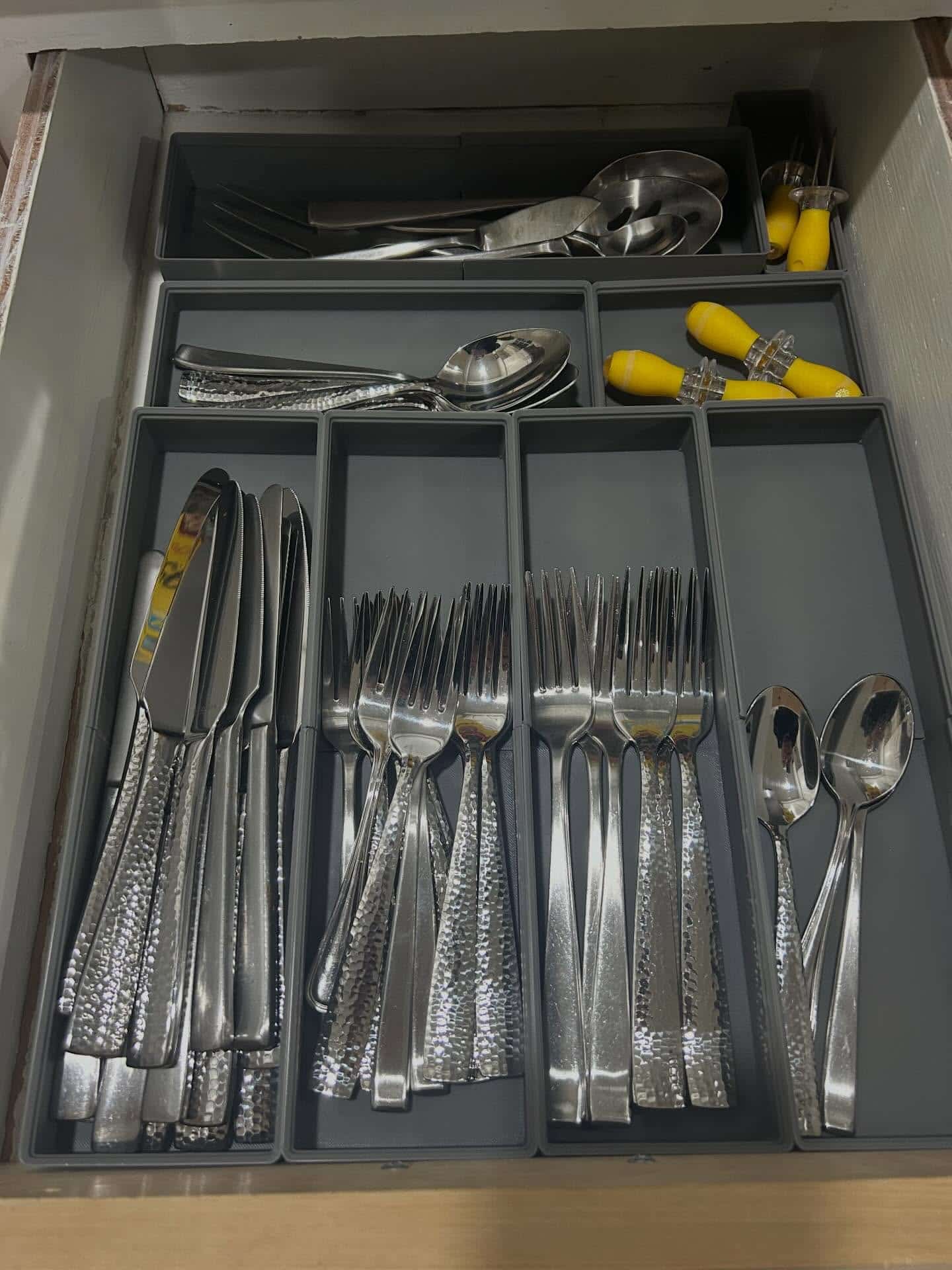
Here are some of the things I have made.


What Am I Doing With All This Stuff?
Giving most of it away! I’m having a fun time designing and printing things. Right now, my printer is hard at work making parts for a display shelf I created in Tinkercad.
Some people have suggested I make a store and sell it, but there are plenty of people doing that. I don’t really have any interest. I will be at my church’s Fall Bazaar with some items I have the proper license to sell.
Still Don’t Get It?
Try some of these:


Leave a Reply